


Hormone Therapy for Women

Hormone Therapy for Women
bg-grey.png

Hormone Therapy for Women

Ladies, does the approach of perimenopause and menopause fill you with fatigue and unpredictable mood fluctuations that hamper your productivity and has you yearn for the comfort of your bed?

Are you noticing more hair in your brush and a noticeably thinner ponytail without understanding the cause? 

Has your interest in intimacy dwindled to the point of non-existence, leading to tension in your relationship because all you crave is a good night’s sleep?

Do you find yourself battling stubborn belly fat that refuses to disappear, despite your efforts to eat less and move more? It’s disheartening to face your wardrobe every day, searching for something that fits comfortably.

Are mornings a struggle to start, with your hand hitting the snooze button multiple times, only to rely on caffeine or sugary snacks to combat the inevitable afternoon slump?

OR are you even on hormone therapy and it is not making a difference? 

If these scenarios resonate with you, like many of our clients, you might be experiencing a hormone imbalance or desensitization without even realizing it.

Say goodbye to being at the mercy of your hormonal fluctuations…

Visualize waking up each morning feeling refreshed and eager to face the day ahead!

Picture the satisfaction of slipping into your favorite jeans effortlessly, feeling confident and comfortable.

Imagine having the vitality to engage in fun activities with your children or grandchildren and enjoying quality time with your partner.

We are here to embark on this journey with you towards achieving balance and rediscovering your zest for life.

Hormones play a pivotal role as the body’s chemical signals, orchestrating the activities of your cells. An imbalance in hormones like estrogen, progesterone, testosterone, thyroid, and cortisol can result in your cells receiving incorrect instructions, leading to a myriad of health concerns.

These biological messengers are crucial for regulating appetite, determining whether your body burns fat or stores it (including the specific areas where fat is stored), influencing your sleep patterns, mood, memory, and sexual desire, among other vital functions.

Think of your hormone system as an orchestra, where each hormone must perform harmoniously for optimal health. A discrepancy in just one hormone can disrupt this balance, potentially causing a range of issues from persistent tiredness and sluggish metabolism to a decrease in sexual interest.


A variety of elements contribute to hormonal imbalances and even cause desensitization with some of the primary factors including:

Food Sensitivities: It’s believed that up to a third of women may experience immune responses to foods they consume regularly, leading to hormone imbalances due to inflammation.

Gut Dysbiosis: The modern lifestyle often leads to an imbalance in the gut microbiome, with an excess of harmful bacteria or yeast (such as candida) and a deficiency in beneficial probiotic strains. This imbalance can directly affect your hormonal equilibrium.

Weight Gain: Fat cells not only contribute to inflammation but can also disrupt insulin functionality and produce estrogen, further unbalancing your hormone levels.

Inflammatory Responses: Any form of inflammation can lead to hormonal disruptions, particularly affecting cortisol, and insulin.

Genetic Factors: Some individuals have genetic variants that impact estrogen metabolism and toxin breakdown, potentially leading to hormonal issues. Family history may provide clues to this predisposition.

Chemical Exposures: Daily, we encounter numerous synthetic chemicals that can act as endocrine disruptors, interfering with normal hormonal functions.

Stress: The impact of cortisol, the primary stress hormone, is significant, as it can throw off the balance of other hormones in your body. 

High or low cortisol: High cortisol can inhibit the production of reproductive hormones, leading to irregular menstrual cycles in women and decreased testosterone. While low cortisol can affect the balance of aldosterone (a hormone that regulates salt and water balance), leading to dehydration and electrolyte imbalances, and it can also impact androgen levels, further disrupting hormonal balance.

Thyroid imbalance: The thyroid gland produces hormones (mainly thyroxine (T4) and triiodothyronine (T3)) that regulate metabolism, energy levels, and the body’s sensitivity to other hormones. Imbalances in thyroid hormone levels can cause a cascade of hormonal disruptions. 

Lifestyle Choices: Diets high in sugar, poor sleep habits, and sedentary lifestyles have profound effects on hormonal health.

Age-Related Changes: Hormonal symptoms and their underlying causes can vary significantly with age. While hormonal shifts are natural over one’s lifetime, not every woman experience PMS or menopausal symptoms to the same degree, suggesting age alone isn’t always to blame.

Understanding how these factors influence your body requires a thorough evaluation, leading to a tailored plan aimed at restoring your health. Solutions are highly individualized, focusing on your specific situation and needs. A personalized approach, rather than a one-size-fits-all solution, is key to addressing hormonal imbalances. A complimentary consultation might be the first step toward identifying the best actions for you, taking into account the unique factors affecting your health.

Symptoms of hormone imbalances can manifest in many ways, including:

  • Menstrual changes (including painful, heavy or irregular periods) 
  • Increased PMS
  • Unexplained weight gain (or difficulty losing weight)
  • Mood changes, including depression, anxiety, irritability or mood swings
  • Bad memory or brain fog
  • Fatigue
  • Lack of motivation of just feeling “flat”
  • Difficulty falling asleep, or not sleeping soundly at night
  • Loss of interest in sex, vaginal dryness, or painful sex
  • Digestive problems like bloating or constipation 
  • Adult acne
  • Dry skin
  • Dry eyes
  • Hair loss, dry hair or change in hair texture
  • Hot flashes or night sweats

Symptoms of hormonal imbalances can range quite a bit depending on what role that specific hormone plays in your body.

Hormonal imbalances can manifest through a range of symptoms and conditions, such as:

  • Estrogen Dominance: This may lead to sleep disturbances, weight gain, elevated stress and anxiety levels, intensified PMS symptoms, heavier menstrual flows, and shortened cycles due to either high levels of estrogen or low levels of progesterone.
  • Reduced Estrogen Levels: Symptoms can include a diminished sex drive, irregular menstrual cycles, tiredness, vaginal dryness, mood swings, and memory issues.
  • Decreased Testosterone: This can result in a lowered interest in sexual activity, vaginal dryness, diminished muscle strength, and a general lack of motivation.
  • Adrenal Imbalance: Whether cortisol levels are too low or too high, individuals may experience exhaustion, anxiety, depressive moods, sleep disturbances, cognitive difficulties, weight fluctuations.
  • Underactive Thyroid (Hypothyroidism): Characterized by a sluggish metabolism, general fatigue, increased weight, mood alterations, constipation, irregular menstruation, and a tendency to feel colder than usual.
  • Polycystic Ovary Syndrome (PCOS): This condition can cause challenges with fertility, weight gain, acne, excessive hair growth in unwanted areas alongside thinning hair on the scalp.
  • Graves’ Disease (Hyperthyroidism): Symptoms include anxiety, hair thinning, unintended weight loss, diarrhea, sleep irregularities, and an accelerated heartbeat.
  • Prediabetes: This state is often indicated by weight gain, particularly when it’s challenging to shed pounds.

Each of these conditions reflects the complex role hormones play in regulating bodily functions, underscoring the importance of maintaining hormonal balance for overall health and well-being. 

Take the free hormone quiz today! Click HERE

Schedule a Free discovery call today!

Be More Functional with Brandy Moore

kickstart your health together!

Unlock your full potential for a healthier life. Contact us today! 

Other Testing Services

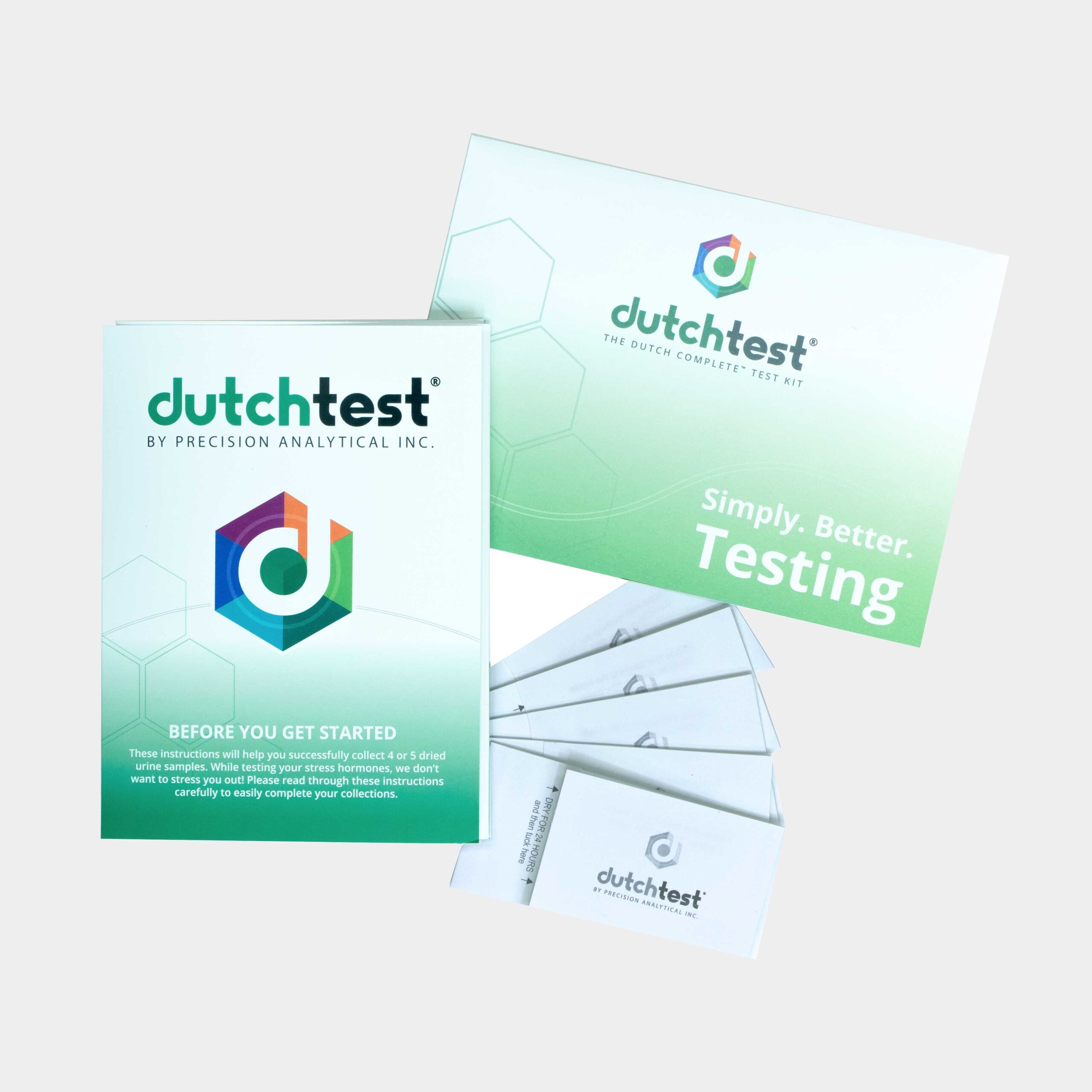
DUTCH Test Complete Kit

Urine Hormone Testing

This test looks at sex hormones and their metabolites, the overall diurnal pattern of free cortisol, and the total distribution of cortisol metabolites in addition to OATs, which provide insight into nutritional deficiencies, oxidative stress, gut dysbiosis, melatonin, neuroinflammation, and more.
Learn More
Gut Microbiome Testing

Gut Microbiome Testing

The GI‑MAP (Microbial Assay Plus) is unique in the field of comprehensive stool testing. Gut Microbiome Testing relies exclusively on quantitative polymerase chain reaction (qPCR) technology to detect parasites, bacteria, fungi, and more, by targeting the specific DNA of the organisms tested.
Learn More

Food Sensitivities Testing

Food Sensitivities Test

The Mediator Release Test (MRT) is considered the highest standard of food sensitivity tests currently available. It’s a simple, patented blood test that identifies our body’s reactions to 140 foods and 30 food chemicals by measuring the number of mediators released and the subsequent changes in white blood cells.
Learn More

Hormone Therapy for Women

Hormone Therapy for Women

Ladies, does the approach of your period fill you with dread due to severe cramps, unpredictable mood fluctuations, and bloating that hampers your productivity and has you yearning for the comfort of your bed? Are you noticing more hair in your brush and a noticeably thinner ponytail without understanding the cause? 
Learn More

Hormone Therapy for Men

Hormone Therapy for Men

Testosterone levels generally peak during adolescence and early adulthood. As you age, your testosterone level gradually declines — typically about 1% a year after age 30 or 40. For older men, it's important to determine if a low testosterone level is due to normal aging or if it is due to a disease (hypogonadism)
Learn More

Thyroid Testing

Thyroid Testing

Unlike conventional medicine, we conduct an extensive thyroid panel, assessing TSH, Free T4, Free T3, reverse T3, TPO antibodies, and antiTG antibodies, to gain an understanding of your thyroid health. We also explore potential underlying issues that might impact your thyroid hormone utilization, such as stress, inflammation, and digestive disturbances.
Learn More
Female Cycle Mapping

Female Cycle Mapping

For some women, testing reproductive hormones (progesterone, estrogen, etc.) on a single day is sufficient. In other scenarios, the clinical picture cannot be properly captured without “mapping” out the hormonal pattern throughout their menstrual cycle. The expected pattern of hormones shows relatively low estrogen levels early in the cycle, a surge around ovulation and modest levels in the latter third of the cycle (the luteal phase).
Learn More
Peptides

Peptides

Peptides are short chains of amino acids that our body naturally produces that optimize metabolic function. They act as signaling and messenger molecules within the body, instructing other cells and molecules on what functions to perform. There are over 7,000 known peptides in our bodies, and all these different peptides have a wide range of functions, including immune system health, repair, weight loss, improved cognitive function, libido, promoting healthy muscle growth and development, and many more
Learn More
Stool Testing

Stool Testing

A stool analysis is a series of tests done on a stool (feces) sample to help diagnose certain conditions affecting the digestive tract. These conditions can include infection (such as from parasites, viruses, or bacteria), poor nutrient absorption, or cancer.
Learn More

Genetic Testing

Genetic Testing

A Genetic Test (DNA test) is a medical test that can identify mutations in your genes, chromosomes or proteins.  Our Genetic Testing includes wellness profiles that provide valuable information about your physical endurance, injury recovery, food sensitivity, eating behavior & weight gain/loss pattern, and detoxification.
Learn More
Blood Spot Testing

Blood Spot Testing

Sample Collection of the blood spots is a relatively simple and nearly painless procedure that can be done at home or by the health care practitioner. A simple nick of the finger followed by placing blood drops on a filter card is all that is needed.
Learn More
Saliva Testing

Saliva Testing

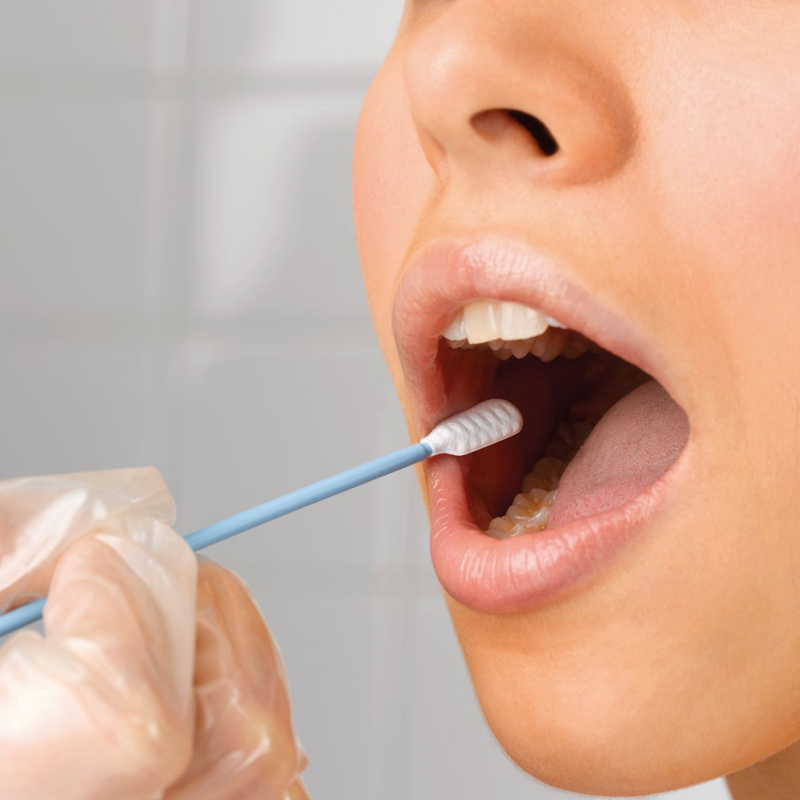
Saliva testing is a non-invasive collection method where patients collect their saliva in plastic tubes in order to measure hormones like cortisol, estrogens, progesterone, and androgens. This non-invasive saliva collection is ideal for patients because it allows them to collect their sample in the privacy of their home or office.
Learn More

Make an Inquiry

Name(Required)
Please let us know a little about your condition in relation this service. If you have a question for us? Ask away.