


Thyroid Testing

Thyroid Testing
bg-grey.png

Thyroid Testing

Unlike conventional medicine, we conduct an extensive thyroid panel, assessing TSH, Free T4, Free T3, reverse T3, TPO antibodies, and antiTG antibodies, to gain an understanding of your thyroid health.

We also explore potential underlying issues that might impact your thyroid hormone utilization, such as stress, inflammation, and digestive disturbances.

Experiencing Unexplained Changes?

Are you battling persistent exhaustion or mental fog?

Noticing unexpected weight gain without altering your diet?

Experiencing an increase in discomfort, such as muscle weakness or joint stiffness?

Do you often find yourself reaching for an extra layer because you can’t seem to stay warm, even indoors during summer?

Feeling unusually down or experiencing mood swings unlike before?

These issues, whether they’re solitary or a collection, might point towards a thyroid condition.

The Influence of Your Thyroid

The thyroid, a small gland at the front of your neck, plays a pivotal role in your well-being. It produces hormones crucial for regulating metabolism, heart rate, digestion, muscle function, brain development, mood, and bone health. Essentially, it dictates the speed at which your body utilizes the energy from food.

Symptoms often associated with hypothyroidism (reduced thyroid activity) include:

  • Persistent tiredness, worsening as the day progresses
  • An increased need for sleep
  • Sensitivity to cold
  • Slower digestion or constipation
  • Challenges with weight management
  • Mental cloudiness
  • Memory issues
  • Thinning hair
  • Dryness affecting the hair, skin, and eyes
  • Mood fluctuations, such as depression or anxiety
  • Menstrual irregularities or intense periods
  • Fertility challenges
  • Diminished libido
  • Elevated cholesterol levels
  • Swelling around the eyes
  • Muscle stiffness or soreness

Given its central role in metabolism, the thyroid’s efficiency at converting fat into energy directly influences your vitality.

Our Holistic Approach to Thyroid Wellness

Unlike conventional medicine, we conduct an extensive thyroid panel, assessing TSH, Free T4, Free T3, reverse T3, TPO antibodies, and antiTG antibodies, to gain a comprehensive understanding of your thyroid health.

We also explore potential underlying issues that might impact your thyroid hormone utilization, such as stress, inflammation, and digestive disturbances.

Unraveling the Cause of Hypothyroidism

Many individuals are unaware of the root cause of their hypothyroid condition, a critical question that often goes unexplored.

Environmental toxins, including heavy metals and chemicals, along with iodine deficiency—though less common today—can affect thyroid health.

Interestingly, the majority of hypothyroid cases in women (around 90%) stem from Hashimoto’s, an autoimmune disorder. Understanding the underlying cause is key to tailored treatment and management.

"It feels like it's my thyroid, but my tests came back normal..." This is a sentiment we encounter frequently.

In their training, doctors are often instructed to use the TSH test as the primary means to evaluate thyroid function. If you’re feeling unwell and suspect it’s your thyroid, a doctor will likely test your TSH levels through a blood test. Should these levels indicate hypothyroidism, a diagnosis will follow.

However, this scenario can lead to considerable frustration for many, especially women, because several factors can cause TSH levels to appear “normal” despite not feeling well. The breadth of the “normal” range for this test is somewhat debated, meaning your results might be considered normal but are not necessarily optimal for you.

Frequently, we discover that while the TSH level is indeed normal, indicating adequate thyroid hormone production, the issue lies in the body’s inability to utilize this hormone effectively. If the cells can’t use the thyroid hormone, you may experience hypothyroid symptoms—fatigue, weight gain, cold intolerance—yet your TSH levels appear normal.

Why Might You Be Unable to Use Thyroid Hormone Effectively?

The thyroid produces T4 (thyroxine), which circulates in the bloodstream but is relatively inactive. For it to affect energy production and fat burning in cells, it must be converted to T3 in your tissues, particularly the liver. Challenges in converting T4 to the more active T3 can result in symptoms of hypothyroidism without abnormal TSH levels.

Common factors affecting T4 to T3 conversion include:

  • Stress: High cortisol levels can hinder T3 production.
  • Nutrient Deficiencies: Certain vitamins are crucial for converting T4 to T3.
  • Gut Microbe Imbalances: Your gut flora can either facilitate or obstruct T3 conversion.
  • Estrogen Dominance: An imbalance between estrogen and progesterone can affect hormone activity.
  • Inflammation: This can disrupt the conversion process.

If conversion is the issue, your thyroid gland itself might be functioning properly, meaning thyroid hormone replacement isn’t necessarily the solution. Instead, addressing the underlying causes—whether it’s stress, nutrient gaps, gut health, hormonal imbalances, or inflammation—is key to enhancing your body’s ability to utilize thyroid hormone effectively. 

Be More Functional with Brandy Moore

Schedule a Free Consultation

Unlock your full potential for a healthier life. 

Other Testing Services

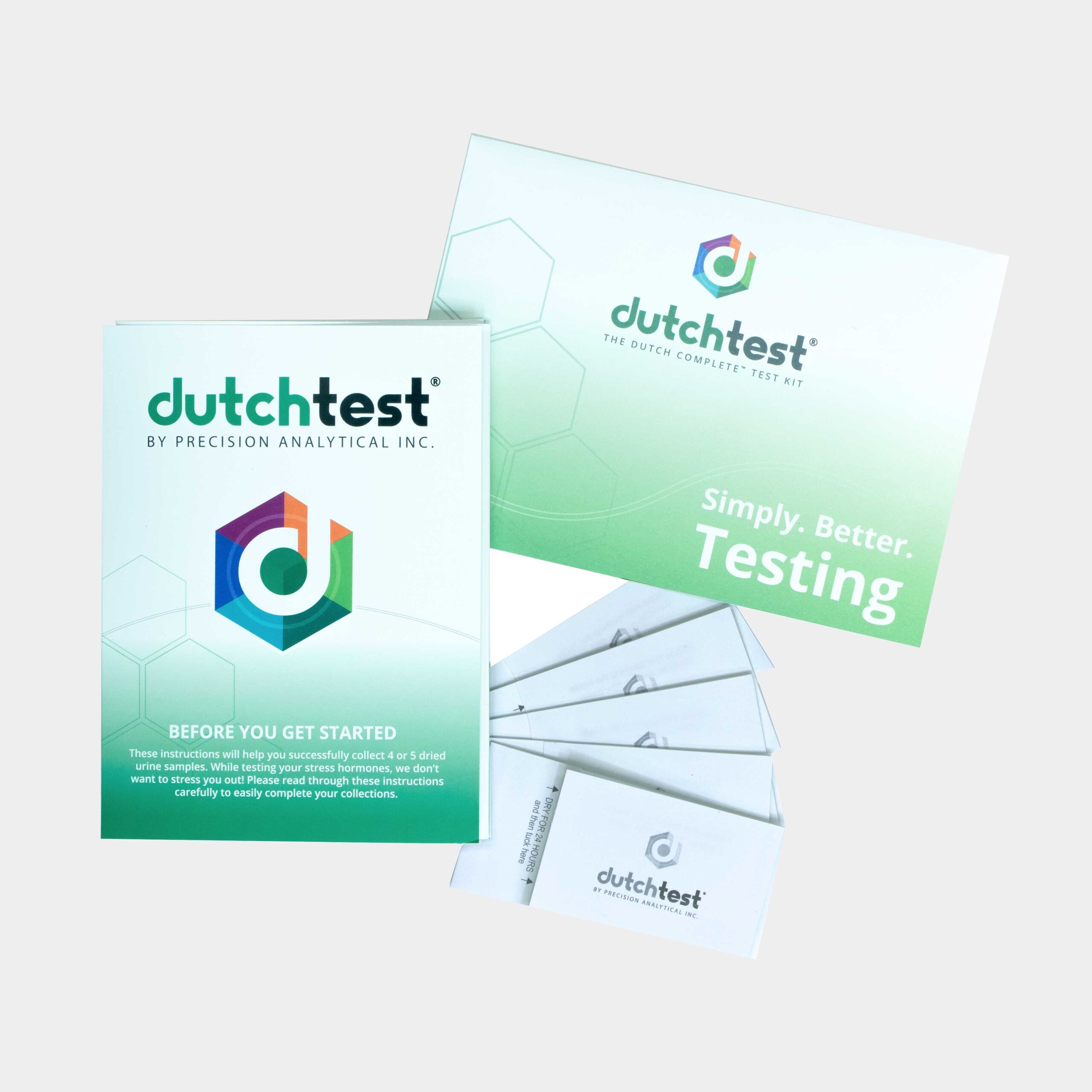
DUTCH Test Complete Kit

Urine Hormone Testing

This test looks at sex hormones and their metabolites, the overall diurnal pattern of free cortisol, and the total distribution of cortisol metabolites in addition to OATs, which provide insight into nutritional deficiencies, oxidative stress, gut dysbiosis, melatonin, neuroinflammation, and more.
Learn More
Gut Microbiome Testing

Gut Microbiome Testing

The GI‑MAP (Microbial Assay Plus) is unique in the field of comprehensive stool testing. Gut Microbiome Testing relies exclusively on quantitative polymerase chain reaction (qPCR) technology to detect parasites, bacteria, fungi, and more, by targeting the specific DNA of the organisms tested.
Learn More

Food Sensitivities Testing

Food Sensitivities Test

The Mediator Release Test (MRT) is considered the highest standard of food sensitivity tests currently available. It’s a simple, patented blood test that identifies our body’s reactions to 140 foods and 30 food chemicals by measuring the number of mediators released and the subsequent changes in white blood cells.
Learn More

Hormone Therapy for Women

Hormone Therapy for Women

Ladies, does the approach of your period fill you with dread due to severe cramps, unpredictable mood fluctuations, and bloating that hampers your productivity and has you yearning for the comfort of your bed? Are you noticing more hair in your brush and a noticeably thinner ponytail without understanding the cause? 
Learn More

Hormone Therapy for Men

Hormone Therapy for Men

Testosterone levels generally peak during adolescence and early adulthood. As you age, your testosterone level gradually declines — typically about 1% a year after age 30 or 40. For older men, it's important to determine if a low testosterone level is due to normal aging or if it is due to a disease (hypogonadism)
Learn More

Thyroid Testing

Thyroid Testing

Unlike conventional medicine, we conduct an extensive thyroid panel, assessing TSH, Free T4, Free T3, reverse T3, TPO antibodies, and antiTG antibodies, to gain an understanding of your thyroid health. We also explore potential underlying issues that might impact your thyroid hormone utilization, such as stress, inflammation, and digestive disturbances.
Learn More
Female Cycle Mapping

Female Cycle Mapping

For some women, testing reproductive hormones (progesterone, estrogen, etc.) on a single day is sufficient. In other scenarios, the clinical picture cannot be properly captured without “mapping” out the hormonal pattern throughout their menstrual cycle. The expected pattern of hormones shows relatively low estrogen levels early in the cycle, a surge around ovulation and modest levels in the latter third of the cycle (the luteal phase).
Learn More
Peptides

Peptides

Peptides are short chains of amino acids that our body naturally produces that optimize metabolic function. They act as signaling and messenger molecules within the body, instructing other cells and molecules on what functions to perform. There are over 7,000 known peptides in our bodies, and all these different peptides have a wide range of functions, including immune system health, repair, weight loss, improved cognitive function, libido, promoting healthy muscle growth and development, and many more
Learn More
Stool Testing

Stool Testing

A stool analysis is a series of tests done on a stool (feces) sample to help diagnose certain conditions affecting the digestive tract. These conditions can include infection (such as from parasites, viruses, or bacteria), poor nutrient absorption, or cancer.
Learn More

Genetic Testing

Genetic Testing

A Genetic Test (DNA test) is a medical test that can identify mutations in your genes, chromosomes or proteins.  Our Genetic Testing includes wellness profiles that provide valuable information about your physical endurance, injury recovery, food sensitivity, eating behavior & weight gain/loss pattern, and detoxification.
Learn More
Blood Spot Testing

Blood Spot Testing

Sample Collection of the blood spots is a relatively simple and nearly painless procedure that can be done at home or by the health care practitioner. A simple nick of the finger followed by placing blood drops on a filter card is all that is needed.
Learn More
Saliva Testing

Saliva Testing

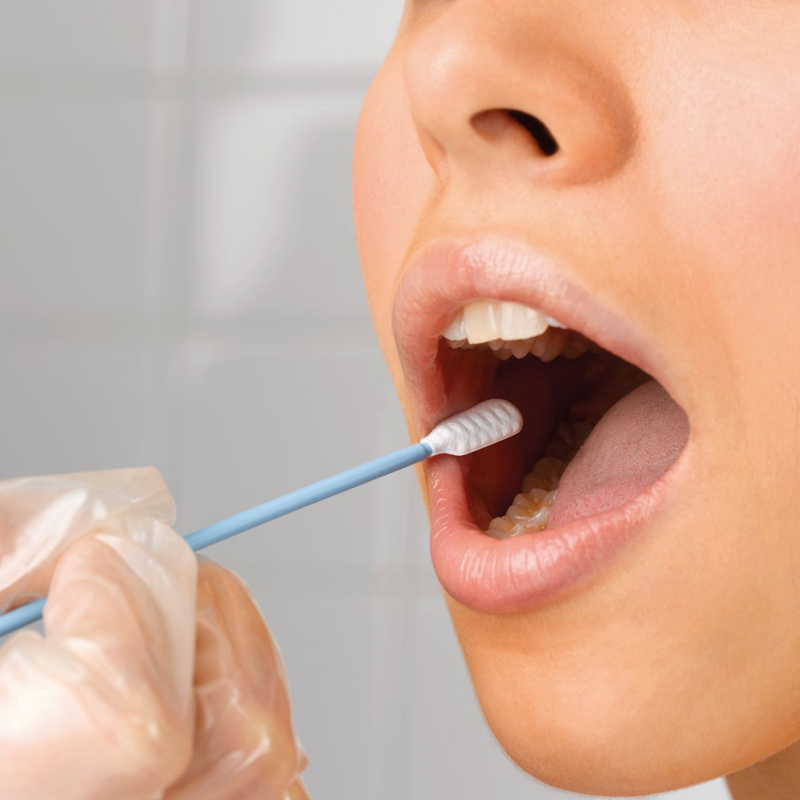
Saliva testing is a non-invasive collection method where patients collect their saliva in plastic tubes in order to measure hormones like cortisol, estrogens, progesterone, and androgens. This non-invasive saliva collection is ideal for patients because it allows them to collect their sample in the privacy of their home or office.
Learn More

Make an Inquiry

Name(Required)
Please let us know a little about your condition in relation this service. If you have a question for us? Ask away.