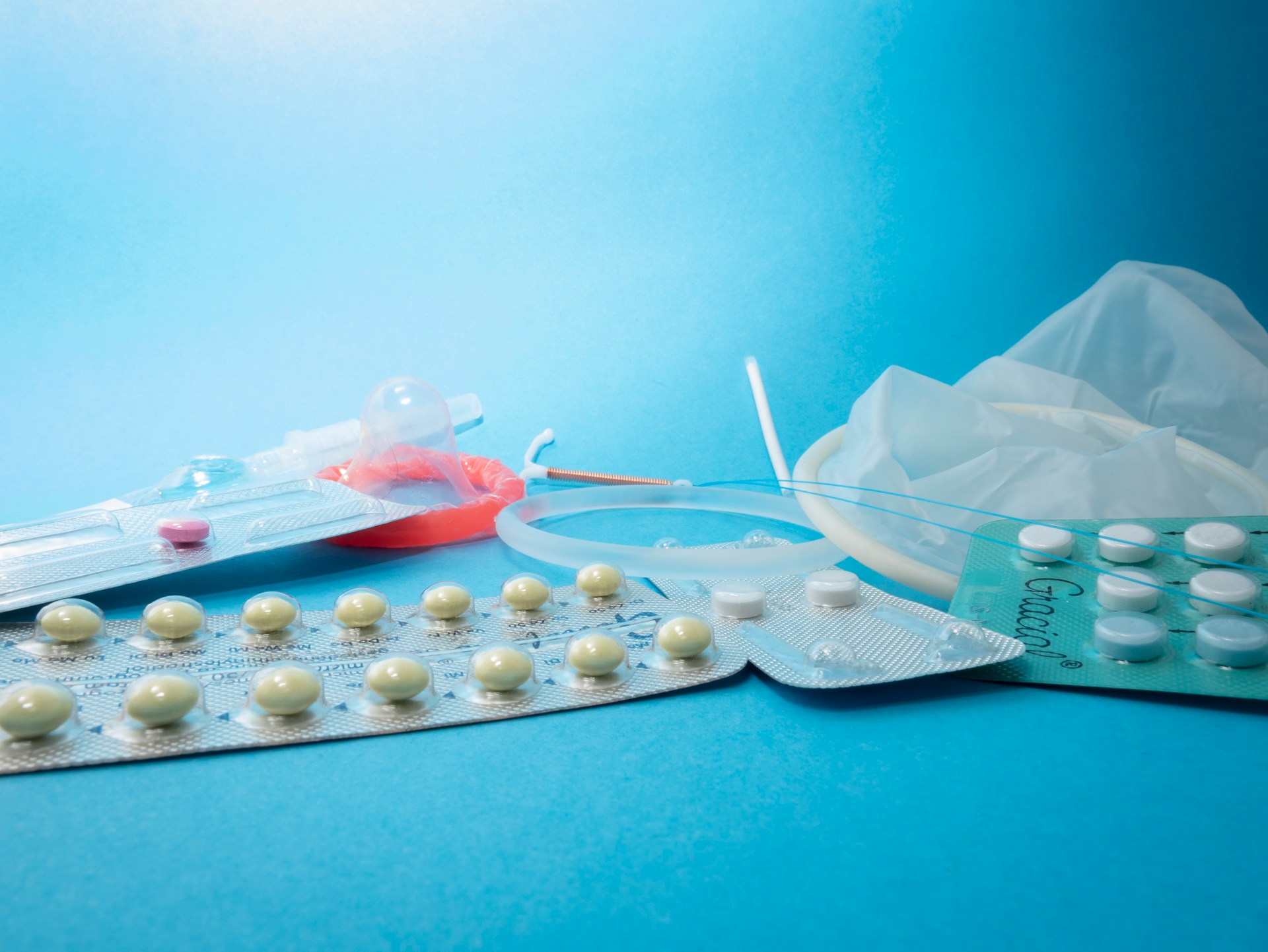
Hormonal contraceptives come in various forms but are categorized into two main types: combination (ethinyl estradiol and a progestin) and progestin-only. Although both types serve as birth control, they impact sex hormone production in different ways.
This raises the question: should patients test sex hormones while on hormonal contraceptives?
This is a frequent question posed to DUTCH clinical educators, and the answer is—it depends. What do providers aim to learn from testing? Knowing the different types of birth control and their mechanisms can help determine the value of testing.
The DUTCH Test measures endogenous hormones produced by the body or bioidentical hormones being supplemented. DUTCH cannot measure synthetic hormones found in hormonal contraceptives or their metabolites. The same limitation applies to serum testing.
Let’s explore the different types of hormonal contraceptives to see if testing is appropriate for patients using them.
Combination Hormonal Contraceptives
Combination hormonal contraceptives include oral contraceptive pills (OCPs, commonly known as “the pill”), patches, and vaginal rings. These methods work by blocking communication between the brain and the ovaries. Pituitary hormones follicle stimulating hormone (FSH) and luteinizing hormone (LH) are suppressed, halting estrogen and progesterone production from the ovaries.
Testing sex hormones in urine or serum while a patient is on combination OCPs will show low levels of progesterone and estrogen, as endogenous production is suppressed. Low (or postmenopausal) levels are expected and indicate that the combination birth control is functioning correctly.
Combination OCPs also increase sex hormone binding globulin (SHBG), which can reduce circulating levels of free androgens. This should be considered when testing androgens if a patient is using these forms of hormonal contraceptives. DUTCH measures bioavailable hormone levels, and results will reflect the OCP’s impact on circulating levels.
Progestin-Only Hormonal Contraceptives
Progestin-only hormonal contraceptives also come in various forms. These include pills (progestin-only pills (POPs), or “the minipill”), intrauterine devices (IUDs), implants, and shots. The shot (Depo-Provera) contains a potent progestin, depo medroxyprogesterone acetate, and works similarly to combination HCs by suppressing communication between the brain and ovaries, resulting in low estrogen and progesterone.
POPs, IUDs, and implants function a bit differently. They primarily work by thinning the uterine lining to prevent implantation and thickening cervical mucus to block sperm. Progestin IUDs can also reduce sperm motility.
Progestins can directly affect ovarian function, decreasing estrogen production and impacting follicular development. They can also inhibit LH signaling. These actions can inhibit ovulation—but not always. The type and dose of progestin used determine the likelihood of suppressed ovulation.
Progestin IUDs do not suppress ovulation for most users after the first year of use. POPs with norethindrone suppress ovulation about 60% of the time. In contrast, POPs with drospirenone and etonogestrel implants effectively inhibit ovulation during most cycles.
When to Test
With normal cycling hormones, it is best practice to test during peak luteal phase levels of progesterone and estrogen production post-ovulation.
When testing patients on hormonal contraceptives that suppress progesterone and estrogen production, consider testing on any day.
Using ovulation predictor kits (OPKs) or basal body temperature (BBT) testing can help identify ovulation when using progestin IUDs or norethindrone progestin-only pills. For implants, it is best to time testing with menses. If menses are irregular, test on any day.
When stopping any type of hormonal contraceptive, wait three menstrual cycles before testing sex hormones. This helps establish a better baseline of endogenous production without the influence of the hormonal contraceptive.
In summary: with combination estrogen/progestin hormonal contraceptives and the Depo-Provera shot, endogenous estrogen and progesterone production is suppressed and will be low upon testing. With POPs, implants, and IUDs, estrogen production varies, and ovulation may or may not be inhibited. Testing can be tricky but will show endogenous levels of production.
Still unsure about when to test? Contact DUTCH with any additional questions regarding testing while on birth control.
Hormonal Contraceptives Grouped by their Effect on Hormone Production
Low Progesterone and Estrogen
- Combination Oral Contraceptive Pills (e.g., Yaz, Ortho, Sprintec, Loestrin, many others)
- Vaginal Ring (e.g., NuvaRing, EluRyng, Annovera)
- Patch (e.g., Xulane, Twirla)
- Injection (e.g., DepoProvera)
Progesterone and Estrogen Levels Vary by User
- Progestin IUD (e.g., Mirena, Liletta, Kyleena, Skyla)
- Norethindrone containing progestin-only pill (e.g., Camila, Heather, Lyleq, many others)
- Note: Approximately 40% of users ovulate with this type of pill
Low Progesterone, Estrogen Levels Vary by User
- Implant (e.g., Nexplanon)
- Drospirenone containing progestin-only pill (e.g., Slynd)
- Norethindrone containing progestin-only pill (e.g., Camila, Heather, Lyleq, many others)
- Approximately 60% of users do not ovulate with this type of pill
- Low dose combination OCPs with 10 mcg of ethinyl estradiol (e.g., Lo Loestrin Fe)
- For some users, this low dose will not completely inhibit estrogen production
- Combination OCPs with estradiol valerate (e.g., Natazia, Qlaira)
- Estradiol valerate is bioidentical, estrogens and their metabolites will be falsely elevated on the DUTCH test due to first pass metabolism if taken within 3 days of testing.