During the Balance Your Hormones to Balance Your Weight Webinar, many questions were asked that we couldn’t get to during the one-hour presentation. We followed up with Candace Burch, and she took a few minutes to respond to your questions below.
Ever since I went into menopause I feel like I’m living in a different body…and have a much harder time losing weight…is this the new normal?
Menopause is a new normal for women but it need not be a nightmare! The extent to which you are gaining weight and feeling like a stranger in a strange body, is very often tied to how far your hormones are out of whack. Shifting, declining hormones along with a slowing of metabolism are to be expected at menopause, but their effects are made worse by lack of sleep, chronic stress, and exposure to endocrine disruptors (pesticides, BPA, growth hormones in milk, etc.) in the environment.
At the same time, an additional burden is placed on the adrenal glands as they take over hormone production from the ovaries at menopause. That can lead to tired adrenals that cannot keep up with demand, so this is prime time to start taking better care of ourselves with improved nutrition, sleep, and stress management. We know that cortisol rises when stress rises, triggering us to refuel by eating more. If stress stays high, blood sugars and insulin will stay high with continued overeating, and inevitably, weight gain. It bears mentioning that the belly fat we women love to hate happens to be the body’s favorite depot for storing energy reserves, which is why doctors often refer to belly fat as the body’s answer to stress.
I think I may be deficient in Vitamin D but I take a multivitamin every day…isn’t that enough?
If you are overweight you will want to make sure that you are not D-deficient, given what researchers are finding is a strong association with increased body fat and obesity onset. The so-called ‘sunshine vitamin’ is actually a ‘prohormone’ made in the body by the action of sunlight upon the skin. So those of us who live in the grayer, northern altitudes are typically low in D, but deficiency occurs even in sunny climates where you would least expect it, attributed to overuse of sunscreens and covering up against the D-enriching rays of the sun. As humans increasingly spend more time indoors in front of computers, and less time working or exercising outside when the sun is shining, the problem is taking on epidemic proportions. Sensible sun exposure, from 15 minutes to a half hour a day can help boost D levels as nature intended.
To circle back to your question about supplementation, the amount of D3 contained in the average multivitamin may not be enough to raise D levels into the healthier ranges. If testing your D levels reveals a deficiency (30 ng/ml or below) talk to your provider about increasing your daily D intake. Supplementing between 2000 and 5000IUs of Vitamin D3 is generally suggested to bring levels into the optimal (50-80 ng/ml) range.
Could an imbalance in Estrogen/Progesterone cause low cortisol?
Hormonal imbalances can indeed have a significant impact on cortisol levels. Estrogen and progesterone are two key hormones that play a crucial role in regulating various bodily functions, including the stress response. When these hormones are out of balance, it can lead to a cascade of effects that may ultimately result in low cortisol levels. For instance, estrogen dominance, a condition where estrogen levels are disproportionately high relative to progesterone, can interfere with the adrenal glands’ ability to produce adequate cortisol. This imbalance can cause symptoms such as fatigue, weight gain, and mood swings.
Moreover, progesterone has a calming effect on the body and helps to counterbalance the stimulating effects of estrogen. When progesterone levels are low, the body may struggle to manage stress effectively, leading to an overproduction of cortisol initially, followed by adrenal fatigue and low cortisol levels over time. It’s essential to address these hormonal imbalances through lifestyle changes, dietary adjustments, and, if necessary, hormone replacement therapy under the guidance of a healthcare provider.
What role does sleep play in hormone balance and weight management?
Sleep is a critical factor in maintaining hormonal balance and managing weight. During sleep, the body undergoes various restorative processes, including the regulation of hormones that control appetite, metabolism, and stress. Poor sleep quality or insufficient sleep can disrupt these processes, leading to hormonal imbalances that can contribute to weight gain and difficulty losing weight.
For example, lack of sleep can increase levels of the stress hormone cortisol, which, as mentioned earlier, can lead to increased appetite and cravings for high-calorie foods. Additionally, sleep deprivation can lower levels of leptin, a hormone that signals fullness, and increase levels of ghrelin, a hormone that stimulates hunger. This hormonal imbalance can result in overeating and weight gain.
Furthermore, poor sleep can negatively impact insulin sensitivity, making it more challenging for the body to regulate blood sugar levels. This can lead to increased fat storage and a higher risk of developing conditions such as type 2 diabetes. Prioritizing good sleep hygiene, such as maintaining a regular sleep schedule, creating a relaxing bedtime routine, and minimizing exposure to screens before bed, can help support hormonal balance and weight management.
How can diet and exercise help in balancing hormones and managing weight?
Diet and exercise are fundamental components of a healthy lifestyle and play a crucial role in balancing hormones and managing weight. A balanced diet rich in whole foods, such as fruits, vegetables, lean proteins, and healthy fats, can provide the necessary nutrients to support hormone production and regulation. Avoiding processed foods, sugary snacks, and excessive caffeine and alcohol can also help maintain hormonal balance.
Regular physical activity is equally important for hormone balance and weight management. Exercise helps to regulate hormones such as insulin, cortisol, and endorphins, which can improve mood, reduce stress, and enhance overall well-being. Engaging in a combination of aerobic exercises, strength training, and flexibility exercises can provide comprehensive benefits for hormonal health.
Incorporating stress-reducing activities, such as yoga, meditation, or deep breathing exercises, can also support hormonal balance by lowering cortisol levels and promoting relaxation. By adopting a holistic approach that includes a healthy diet, regular exercise, and stress management techniques, individuals can effectively balance their hormones and achieve their weight management goals.
What are some natural ways to support hormone balance?
There are several natural ways to support hormone balance and promote overall health. One of the most effective strategies is to maintain a healthy diet that includes a variety of nutrient-dense foods. Consuming plenty of fruits and vegetables, whole grains, lean proteins, and healthy fats can provide the essential vitamins and minerals needed for hormone production and regulation.
Staying hydrated is also crucial for hormone balance, as dehydration can affect the body’s ability to produce and regulate hormones. Drinking plenty of water throughout the day can help support overall health and well-being.
In addition to diet, regular physical activity is essential for maintaining hormonal balance. Exercise can help regulate hormones such as insulin, cortisol, and endorphins, which can improve mood, reduce stress, and enhance overall well-being. Engaging in a combination of aerobic exercises, strength training, and flexibility exercises can provide comprehensive benefits for hormonal health.
Managing stress is another critical factor in supporting hormone balance. Chronic stress can lead to elevated cortisol levels, which can disrupt the balance of other hormones in the body. Incorporating stress-reducing activities, such as yoga, meditation, or deep breathing exercises, can help lower cortisol levels and promote relaxation.
Finally, getting adequate sleep is essential for hormone balance. Prioritizing good sleep hygiene, such as maintaining a regular sleep schedule, creating a relaxing bedtime routine, and minimizing exposure to screens before bed, can help support hormonal balance and overall health.
I have low cortisol across the board.
This is certainly to be considered, particularly when there is too much estrogen relative to too little progesterone, an all too common imbalance known as estrogen dominance. This often shows up in the test results of women in menopause and perimenopause, when waning ovaries no longer make estrogen and progesterone in balanced proportions. This is also not atypical in younger women on birth control, with anovulatory (lack of ovulation), or erratic cycles.
Progesterone being high up in the hormonal cascade is also a precursor (source) of primary adrenal hormones, so if it is in short supply, DHEA and cortisol, the key arbiters of adrenal health will also be down with some level of adrenal fatigue to follow. So your question is a good one: imbalances of estrogen and progesterone can and will negatively impact cortisol levels down the line. If you feel this is what’s going on with you consider testing your hormone levels to identify hidden imbalances and work with a provider to restore balance naturally.
If a patient is on birth control pills, can a saliva test be accurate?
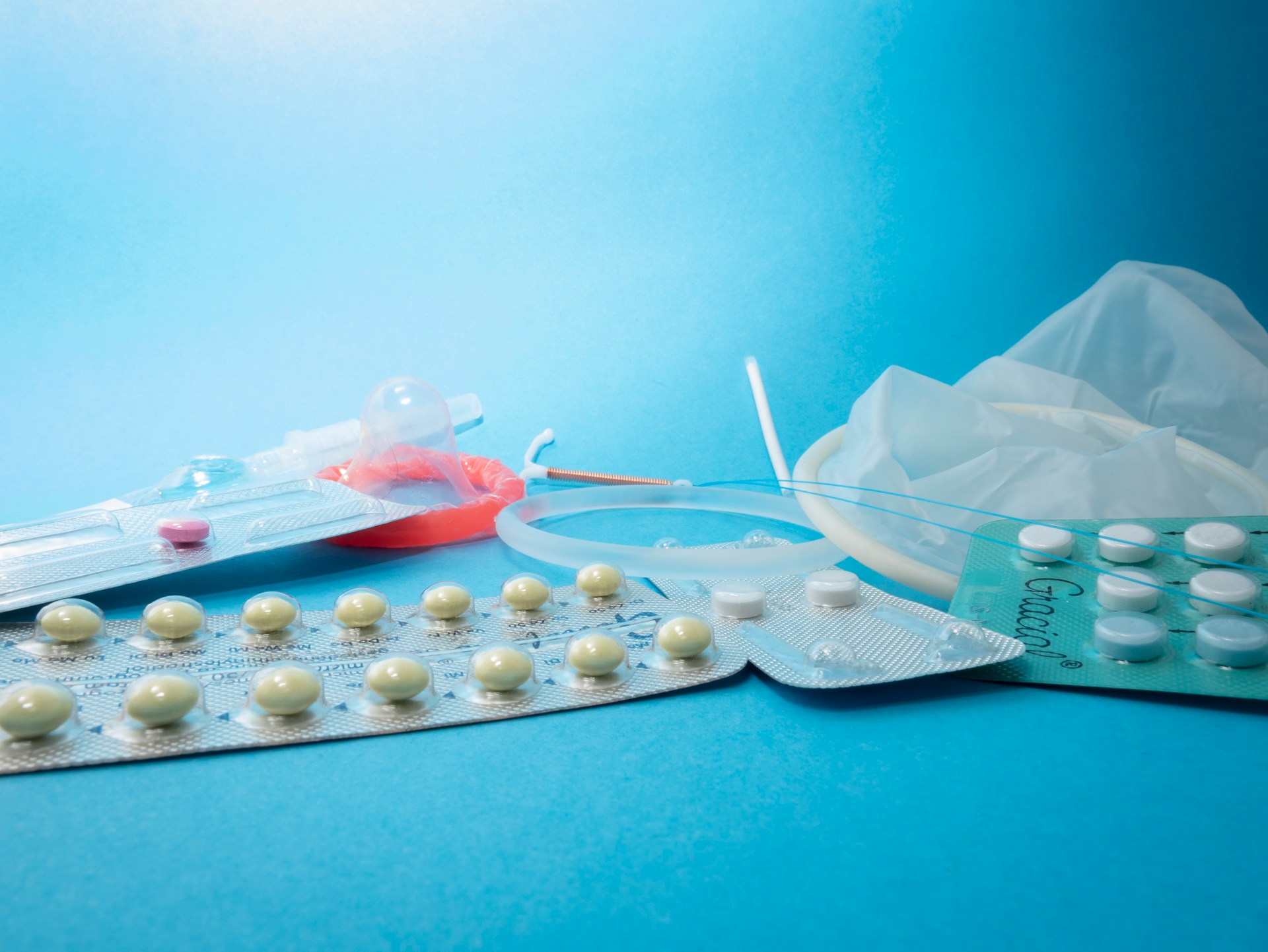
Hormones levels tested while ‘under the influence’ of the pill will reflect its’ contraceptive effect and test at lower levels than would be the case in the absence of contraception. To get a true baseline level of hormones, it is suggested that birth control be suspended for four to six weeks before collecting hormone samples. Having said that, women who do test their hormones while taking contraceptives may use the results of testing to guide decision making about hormonal vs. non-hormonal birth control methods.
I am estrogen dominant, taking lots of supplements, I do bioidentical progesterone the last 2 weeks of my cycle; I’m perimenopausal, periods now 6 weeks apart, I have really high cortisol in the morning and in the evening, I do yoga, exercise and all the supplements -what else can I do?
Sounds like you are doing many things right, but if you still have depression, weight gain, and stress demands high enough to spike your cortisol levels morning and evening, look to your adrenal glands. These master stress responders need extra support especially during perimenopause when hormonal shifts and fluctuations trigger imbalances that can amplify stress demands upon the body.
Supplements like Vitamins C, B-complex, adaptogenic herbs, and natural progesterone, etc., when taken in the right amounts are essential adrenal supports, and the practice of yoga with its stretching and deep breathing is known to help lower stress hormones. All good, but if as you say your cortisol levels are still high, you may have to drill down a bit more and ask yourself how you are dealing with stress. If you’re overworked, overbooked, over-caffeinated, or feeling overwhelmed in general, it’s time to take stock of your stress, figure out where it’s coming from and how you can alleviate it at the source.
What role does sleep play in hormone balance and weight management?
Sleep is a critical factor in maintaining hormonal balance and managing weight. During sleep, the body undergoes various restorative processes, including the regulation of hormones that control appetite, metabolism, and stress. Poor sleep quality or insufficient sleep can disrupt these processes, leading to hormonal imbalances that can contribute to weight gain and difficulty losing weight.
For example, lack of sleep can increase levels of the stress hormone cortisol, which, as mentioned earlier, can lead to increased appetite and cravings for high-calorie foods. Additionally, sleep deprivation can lower levels of leptin, a hormone that signals fullness, and increase levels of ghrelin, a hormone that stimulates hunger. This hormonal imbalance can result in overeating and weight gain.
Furthermore, poor sleep can negatively impact insulin sensitivity, making it more challenging for the body to regulate blood sugar levels. This can lead to increased fat storage and a higher risk of developing conditions such as type 2 diabetes. Prioritizing good sleep hygiene, such as maintaining a regular sleep schedule, creating a relaxing bedtime routine, and minimizing exposure to screens before bed, can help support hormonal balance and weight management.
How can diet and exercise help in balancing hormones and managing weight?
Diet and exercise are fundamental components of a healthy lifestyle and play a crucial role in balancing hormones and managing weight. A balanced diet rich in whole foods, such as fruits, vegetables, lean proteins, and healthy fats, can provide the necessary nutrients to support hormone production and regulation. Avoiding processed foods, sugary snacks, and excessive caffeine and alcohol can also help maintain hormonal balance.
Regular physical activity is equally important for hormone balance and weight management. Exercise helps to regulate hormones such as insulin, cortisol, and endorphins, which can improve mood, reduce stress, and enhance overall well-being. Engaging in a combination of aerobic exercises, strength training, and flexibility exercises can provide comprehensive benefits for hormonal health.
Incorporating stress-reducing activities, such as yoga, meditation, or deep breathing exercises, can also support hormonal balance by lowering cortisol levels and promoting relaxation. By adopting a holistic approach that includes a healthy diet, regular exercise, and stress management techniques, individuals can effectively balance their hormones and achieve their weight management goals.
What are some natural ways to support hormone balance?
There are several natural ways to support hormone balance and promote overall health. One of the most effective strategies is to maintain a healthy diet that includes a variety of nutrient-dense foods. Consuming plenty of fruits and vegetables, whole grains, lean proteins, and healthy fats can provide the essential vitamins and minerals needed for hormone production and regulation.
Staying hydrated is also crucial for hormone balance, as dehydration can affect the body’s ability to produce and regulate hormones. Drinking plenty of water throughout the day can help support overall health and well-being.
In addition to diet, regular physical activity is essential for maintaining hormonal balance. Exercise can help regulate hormones such as insulin, cortisol, and endorphins, which can improve mood, reduce stress, and enhance overall well-being. Engaging in a combination of aerobic exercises, strength training, and flexibility exercises can provide comprehensive benefits for hormonal health.
Managing stress is another critical factor in supporting hormone balance. Chronic stress can lead to elevated cortisol levels, which can disrupt the balance of other hormones in the body. Incorporating stress-reducing activities, such as yoga, meditation, or deep breathing exercises, can help lower cortisol levels and promote relaxation.
Finally, getting adequate sleep is essential for hormone balance. Prioritizing good sleep hygiene, such as maintaining a regular sleep schedule, creating a relaxing bedtime routine, and minimizing exposure to screens before bed, can help support hormonal balance and overall health.
That may be as simple as turning off your cellphone after 8pm and going to bed earlier, or as complicated as switching careers and walking away from the ‘dream job’ that drained you dry. Making these changes can have a profound impact on your overall well-being and hormone balance.
Lack of sleep, by the way, is one of the biggest contributors to cortisol imbalance, and a serious disruptor of appetite hormones, leading to sugar cravings and increased hunger. Getting by on just 5 or 6 hours a night will undermine your best efforts to stay healthy and balanced. Numerous studies show that ‘short sleepers’ are more prone to weight gain. Aim for 7 to 8 hours a night at minimum, and “sleep in on the weekends whenever possible,” says Dr. James Wilson in his must-read book: Adrenal Fatigue, The 21st Century Syndrome. This advice is crucial for maintaining a healthy lifestyle and ensuring that your body can function optimally.
Do you feel saliva over blood tests is better?
If you want to test active bioavailable hormone levels that correlate more closely to the symptoms you are experiencing, saliva testing can be a better way to go. That’s because this method (see also blood spot collection) captures the ‘free’ fraction of hormone that has left the bloodstream to become active in the target tissues of the body; in contrast, the standard blood test measures inactive hormones still bound by their carrier proteins in the bloodstream. Saliva testing has another big advantage: collection is non-invasive, that is without needles, so all one has to do to collect hormone samples is spit into a tube – a painless change from the stress of a blood draw that can skew results. This makes saliva testing a more convenient and less stressful option for many people.
My doctor did a blood test and said my hormones are fine and that I’m just depressed. Now I’m on Prozac, and gaining more weight!
I have a one-line response to your comment: Depression is NOT a Prozac deficiency. (see question above regarding blood tests.) It’s important to understand that depression can be a symptom of underlying hormonal imbalances, and addressing these imbalances can often lead to significant improvements in mood and overall well-being.
What is the call to action?
In a nutshell; become aware of, and determine your own symptoms of hormone imbalance, test your hormone levels to identify imbalances that match up with the symptoms you are experiencing, and last but not least find a natural hormone-friendly provider who will work with you to rebalance your hormones.
A savvy practitioner will test, not guess using hormone test results as a guide to individualizing treatment. After all, each of us has a unique body chemistry, so what works for one woman does not necessarily apply to her friend, sister, or next-door neighbor. Today’s more enlightened and effective approach to a woman’s hormones and weight gain is bound to include lifestyle and dietary improvements, stress-lowering techniques, key vitamins, minerals, herbs, and/or bioidentical hormones as needed, to replenish and restore balance. This holistic approach can lead to better health outcomes and a higher quality of life.
How can lifestyle changes impact hormone balance?
Lifestyle changes can have a significant impact on hormone balance. Simple adjustments, such as improving sleep hygiene, managing stress, and making healthier dietary choices, can lead to noticeable improvements in hormone levels and overall well-being. For instance, reducing caffeine and sugar intake can help stabilize blood sugar levels and reduce stress on the adrenal glands. Incorporating regular physical activity, such as walking, yoga, or strength training, can also support hormone balance by promoting healthy metabolism and reducing stress.
What role does sleep play in hormone balance and weight management?
Sleep is a critical factor in maintaining hormonal balance and managing weight. During sleep, the body undergoes various restorative processes, including the regulation of hormones that control appetite, metabolism, and stress. Poor sleep quality or insufficient sleep can disrupt these processes, leading to hormonal imbalances that can contribute to weight gain and difficulty losing weight.
For example, lack of sleep can increase levels of the stress hormone cortisol, which, as mentioned earlier, can lead to increased appetite and cravings for high-calorie foods. Additionally, sleep deprivation can lower levels of leptin, a hormone that signals fullness, and increase levels of ghrelin, a hormone that stimulates hunger. This hormonal imbalance can result in overeating and weight gain.
Furthermore, poor sleep can negatively impact insulin sensitivity, making it more challenging for the body to regulate blood sugar levels. This can lead to increased fat storage and a higher risk of developing conditions such as type 2 diabetes. Prioritizing good sleep hygiene, such as maintaining a regular sleep schedule, creating a relaxing bedtime routine, and minimizing exposure to screens before bed, can help support hormonal balance and weight management.
How can diet and exercise help in balancing hormones and managing weight?
Diet and exercise are fundamental components of a healthy lifestyle and play a crucial role in balancing hormones and managing weight. A balanced diet rich in whole foods, such as fruits, vegetables, lean proteins, and healthy fats, can provide the necessary nutrients to support hormone production and regulation. Avoiding processed foods, sugary snacks, and excessive caffeine and alcohol can also help maintain hormonal balance.
Regular physical activity is equally important for hormone balance and weight management. Exercise helps to regulate hormones such as insulin, cortisol, and endorphins, which can improve mood, reduce stress, and enhance overall well-being. Engaging in a combination of aerobic exercises, strength training, and flexibility exercises can provide comprehensive benefits for hormonal health.
Incorporating stress-reducing activities, such as yoga, meditation, or deep breathing exercises, can also support hormonal balance by lowering cortisol levels and promoting relaxation. By adopting a holistic approach that includes a healthy diet, regular exercise, and stress management techniques, individuals can effectively balance their hormones and achieve their weight management goals.
What are some natural ways to support hormone balance?
There are several natural ways to support hormone balance and promote overall health. One of the most effective strategies is to maintain a healthy diet that includes a variety of nutrient-dense foods. Consuming plenty of fruits and vegetables, whole grains, lean proteins, and healthy fats can provide the essential vitamins and minerals needed for hormone production and regulation.
Staying hydrated is also crucial for hormone balance, as dehydration can affect the body’s ability to produce and regulate hormones. Drinking plenty of water throughout the day can help support overall health and well-being.
In addition to diet, regular physical activity is essential for maintaining hormonal balance. Exercise can help regulate hormones such as insulin, cortisol, and endorphins, which can improve mood, reduce stress, and enhance overall well-being. Engaging in a combination of aerobic exercises, strength training, and flexibility exercises can provide comprehensive benefits for hormonal health.
Managing stress is another critical factor in supporting hormone balance. Chronic stress can lead to elevated cortisol levels, which can disrupt the balance of other hormones in the body. Incorporating stress-reducing activities, such as yoga, meditation, or deep breathing exercises, can help lower cortisol levels and promote relaxation.
Finally, getting adequate sleep is essential for hormone balance. Prioritizing good sleep hygiene, such as maintaining a regular sleep schedule, creating a relaxing bedtime routine, and minimizing exposure to screens before bed, can help support hormonal balance and overall health.