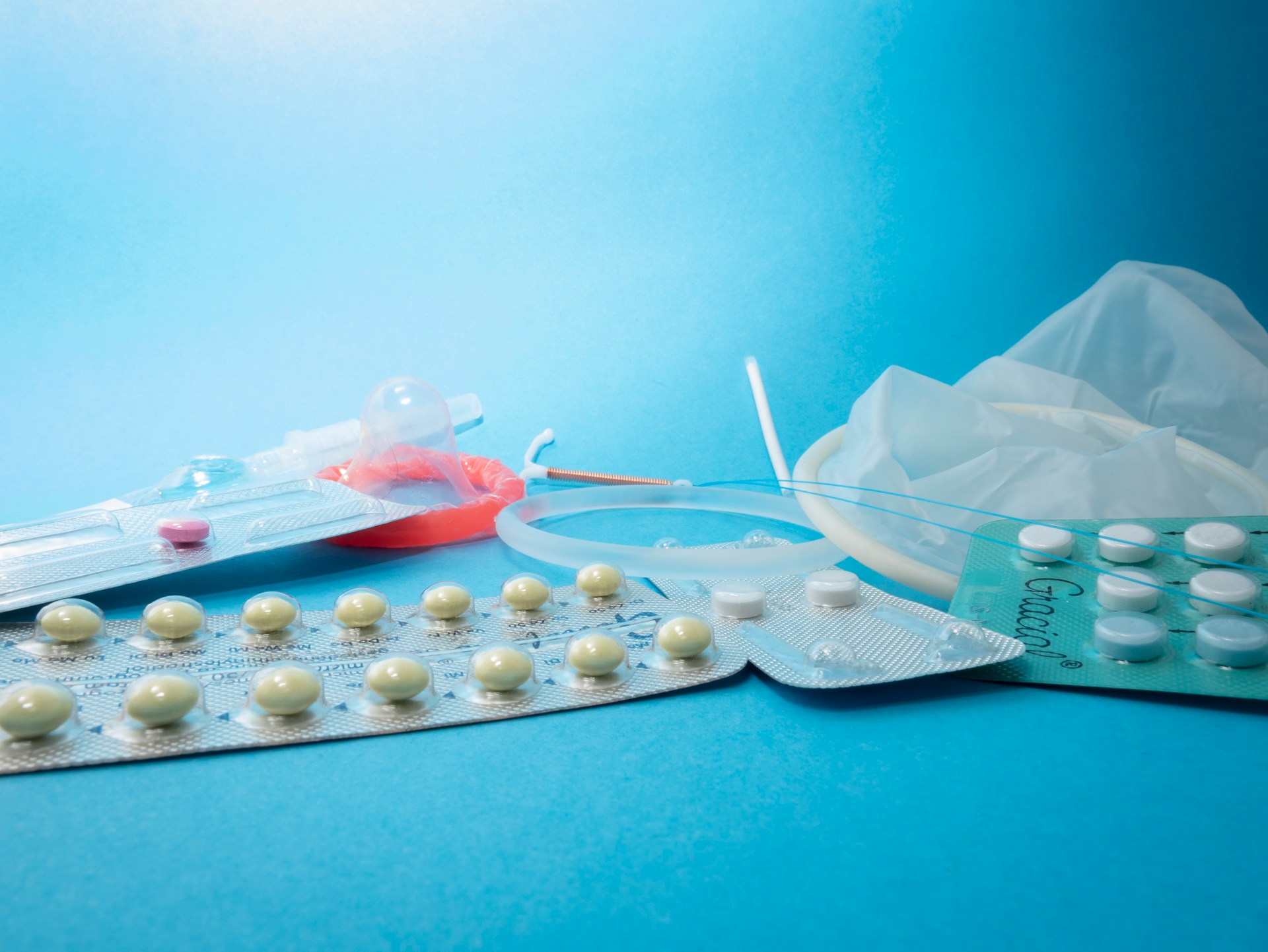
The DUTCH Test is widely utilized for assessing and tracking patients who are undergoing hormone replacement therapy (HRT). This treatment typically involves taking estrogen, progesterone, or testosterone in different forms, including FDA-approved medications and specially made compounded treatments.
Advantages of Monitoring HRT for Patients and Providers
According to the North American Menopause Society (NAMS), it is currently not advised to regularly monitor menopausal women who are undergoing hormone replacement therapy (HRT). However, some medical professionals still opt to do so due to its numerous benefits.
During the initial assessment of a female patient, DUTCH testing can provide valuable insights for healthcare practitioners to understand the process of estrogen detoxification. For instance, it can determine whether estrogen is being converted into carcinogenic 4-OH estrogen catechols, which may increase the risk of breast cancer, or into proliferative 16-OH-E1 metabolites, which can lead to symptoms such as heavy bleeding, breast tenderness, and fibroid growth. This knowledge can be crucial in identifying patients who may be more susceptible to negative effects of hormone replacement therapy (HRT), and in devising a more comprehensive treatment plan to prevent these risks and promote optimal detoxification while eliminating exogenous hormones.
Furthermore, after a patient has started treatment, monitoring can guarantee that the patient is within the ideal therapeutic range in order to achieve the best results. Studies have shown that urine trends on the therapy are in agreement with serum levels and clinical outcomes when using transdermal estrogen products. Typically, healthcare providers strive to achieve estrogen levels within the postmenopausal and luteal ranges.
Monitoring Hormone Levels can be Used to Track the Effectiveness of HRT Treatments
When utilizing the DUTCH Test for assessing and tracking patients undergoing hormone replacement therapy, it is important to consider both the type of hormone and its method of delivery (such as oral or topical). For those interested in using DUTCH for monitoring purposes, there are several suitable options available for evaluation and tracking with the test.
ERT and Dried Urine Testing for Estrogen Replacement Therapy
Estrogen can be applied topically through various forms such as patches, gels, and creams, making it suitable for monitoring via DUTCH testing. When administered topically, measuring urine metabolites can help to even out the daily fluctuations in serum levels caused by the application of creams and gels. Based on clinical evidence, it is recommended to maintain a serum E2 level of 20-40 pg/mL for improved outcomes in managing vasomotor symptoms and maintaining bone mineral density. This corresponds to a dried urine value of approximately 0.7-1.8 ng/mg according to DUTCH testing.
When estrogen is orally added to the body within 72 hours before collecting a urine sample, the levels of estrogen metabolites in the urine are likely to increase as a result of the initial impact in the digestive system and liver. As a result, the urine results may not align with the serum results when this method of administration is utilized. For patients who are undergoing oral E2 therapy, it may be most beneficial to refrain from treatment for one to two days and track the patterns of relative metabolites using a DUTCH test. If necessary, serum testing should be used to evaluate estrogen levels.
Using Dried Urine Testing for Monitoring Progesterone Therapy
It is a widely recognized fact that using ERT alone can lead to a higher chance of developing endometrial hyperplasia and cancer. As a result, progesterone is commonly added to menopausal hormone therapy (MHT) in order to safeguard the endometrium.
How can the effectiveness of progesterone therapy be monitored? The simple answer is that there is no laboratory test available to ensure endometrial protection in patients receiving oral, vaginal, or transdermal progesterone therapy. Studies have used endometrial biopsies to determine the appropriate dosage and route of administration to protect the endometrium when estrogen replacement therapy is also being used. However, it is not feasible to regularly perform endometrial biopsies to monitor progesterone therapy. Therefore, dosing and route of administration are based on these studies, which have shown that a nightly dose of 100-200 mg of oral or 45-90 mg of vaginal progesterone consistently protects the endometrium. The findings for transdermal progesterone are inconclusive, and endometrial surveillance is necessary to ensure endometrial protection.
Why is laboratory testing not a reliable method for monitoring the effectiveness of progesterone therapy and ensuring adequate protection of the endometrium? Measuring oral progesterone levels is challenging as they fluctuate rapidly within a few hours after administration, and the clinical effects may also be influenced by progesterone-like metabolites. Vaginal progesterone, when inserted into the upper third of the vaginal vault, gets concentrated in the uterus but this is not reflected in serum levels. Urine levels of progesterone metabolites do not show a correlation with serum levels when using oral progesterone, as the urine mainly contains metabolites produced during the first pass of progesterone through the gut and liver. While urine and serum levels may have a stronger correlation with vaginal or transdermal progesterone, this has not been supported by research. As with serum testing, the DUTCH test is not effective in monitoring the adequacy of endometrial progesterone levels for oral or vaginal progesterone therapy. However, for individuals not on progesterone therapy, the DUTCH test can be assumed to reflect systemic (including endometrial) adequacy. Refer below for how the DUTCH test can be utilized in specific situations involving progesterone therapy.
Evaluating the Effectiveness of Testosterone Treatment
Serum is the most effective way to measure testosterone levels in patients receiving testosterone replacement therapy (TRT). However, incorporating DUTCH testing into androgen assessment can provide valuable advantages for patients. These advantages include:
- The assessment of androgen metabolism pathways reveals that the alpha androgen metabolites (5a-DHT, 5a-androstanediol, and androsterone) accurately demonstrate androgen activity at the tissue level, while the beta androgen metabolites (5b-androstanediol and etiocholanolone) have minimal to no androgenic effects. For instance, does the testosterone undergo preferential metabolism through the more androgenic alpha pathway, potentially leading to symptoms of high androgens such as hair loss and irritability? Alternatively, does testosterone primarily undergo metabolism through the less androgenic beta pathway, leading to symptoms of low androgens like fatigue, low mood, and difficulty losing weight?
- When monitoring transdermal, intramuscular injection, and pellet testosterone therapy, urine levels typically correspond with serum levels. However, injections and pellets may cause a greater increase in urine testosterone levels compared to serum levels.
- The evaluation of androgen conversion into estrogens and subsequent estrogen metabolism patterns.
The organization’s profits have risen by 25% in the previous quarter, all thanks to the successful introduction of their latest product.
Please take note that there is a potential risk of UGT deletion leading to inaccurate levels of urine testosterone, 5a-DHT, and 5b-androstanediol. Therefore, it is recommended to monitor TRT levels in the serum and also consider using urine (DUTCH Test) as an additional measure.
Comparison of Hormone Monitoring Methods: Serum, Saliva, and Dried Urine
Clinical educators at DUTCH are often questioned about the benefits of urine testing in comparison to saliva testing for hormone therapy. Many influential experts teach healthcare providers that salivary monitoring is the preferred or the only method for testing and monitoring hormone therapies. However, at DUTCH, we prioritize scientific evidence and have not found any literature that supports this claim, except for cortisol.
When it comes to monitoring, saliva is the most reliable method for cortisol, but for hormone replacement therapy, we suggest avoiding saliva when testing for testosterone, estrogen, and progesterone through any route of administration.
Mark Newman, the founder of DUTCH, has produced a comprehensive series of videos that explores this subject and examines all existing research. For those looking to delve deeper into the contrast between the literature on hormone monitoring through saliva, serum, and urine, I recommend checking out this video series.
To gain further knowledge about monitoring HRT, it is recommended to refer to the HRT Testing Matrix which offers a comparison of various laboratory methods. Due to the significance of this subject, more resources will be provided in the future to cover important aspects related to the management and monitoring of HRT.